
Light Demolition Services: What They Cover and When You Need One
TL;DR: Light demolition services cover the targeted removal of interior finishes, flooring, fixtures, and non-structural elements before a remodel, without touching the building's structural frame, foundation, or exterior. Knowing when you need a light demolition crew versus a general contractor or a full-scale demolition company saves both time and money at the planning stage.

Key Takeaways
Light demolition removes non-structural interior elements — flooring, fixtures, finishes, and cabinets — without affecting a building's frame, foundation, or exterior.
Most remodel prep in a typical Central Oregon home falls under light demolition, not full structural teardown.
Dust control during light demo matters most for flooring and tile removal, which generates the highest silica dust levels of any common light demo task.
Permits are usually not required for interior light demo, but wall removal or plumbing-involved projects may require one — always confirm with your local authority before starting.
A complete light demolition service should include debris haul-away, not just the demo work itself.
The term "demolition" covers a wider range than most homeowners realize when they start planning a remodel. At one end of the spectrum, full structural demolition means taking down load-bearing walls, removing the building's frame, or leveling a structure entirely. At the other end, light demolition — sometimes called interior demolition or selective demolition — means carefully removing only the elements that need to go: a tile floor, a built-in cabinet, an outdated kitchen layout, or a partition wall that doesn't serve the new floor plan.
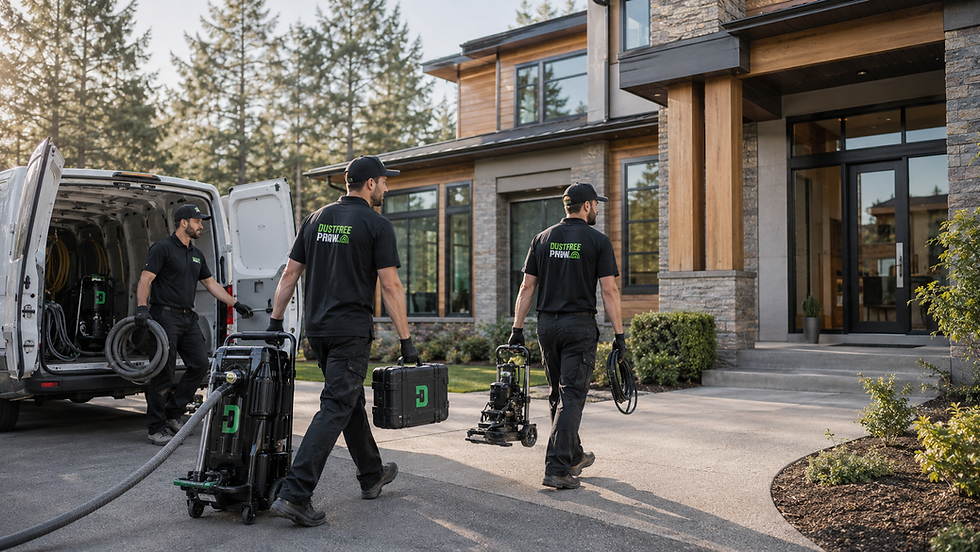
For most residential remodel projects in Central Oregon, light demolition is the correct scope. DustFree PNW's interior demolition service covers the light demo phase of remodel prep with dust-free equipment and full debris haul-away. Here's what that scope actually includes and how to determine whether it's the right service for your project.
Light Demolition vs. Heavy Demolition: The Key Difference
The easiest way to distinguish between the two is to ask what's staying. In light demolition, the building's structural frame, foundation, exterior walls, and roof stay exactly in place. Only interior finishes, fixtures, and non-structural elements come out. In heavy demolition, structural elements are included in the scope — walls come down, structural supports are removed, or the entire building is being taken to the ground.

Type | What's Removed | Equipment Needed | Permit Usually Required? |
Light / Interior Demolition | Flooring, fixtures, finishes, non-structural walls, cabinets | Hand tools, chippers, source-capture dust control | Usually not for interior work |
Selective Demolition | Targeted specific elements within a larger space | Hand tools, specialized equipment by material | Depends on scope |
Heavy / Structural Demolition | Load-bearing walls, structural frame, foundation elements | Heavy machinery, engineering plan required | Yes, always |
Full Building Demolition | Entire structure, all the way to the slab | Excavators, cranes, debris management | Yes, always |
For the vast majority of homeowner remodels across Central Oregon, the correct scope is light or selective demolition. If your project involves removing flooring, updating a bathroom, gutting a kitchen for a remodel, or taking out a non-load-bearing partition wall, that's light demo territory.
What Light Demolition Services Typically Include
A complete light demolition scope for a residential remodel usually covers some combination of the following, depending on the project:
Flooring removal — tile, vinyl, hardwood, carpet, laminate
Adhesive, thinset, or underlayment removal after the surface material is up
Cabinet removal — kitchen or bathroom cabinets and vanities
Countertop and backsplash removal
Fixture removal — plumbing fixtures, lighting, built-ins
Non-structural partition wall removal
Drop ceiling or tile ceiling removal
Debris haul-away after the work is complete
The flooring removal component carries by far the highest dust risk of anything on this list. Tile and stone removal specifically can release up to one pound of silica dust per square foot of flooring removed, which is why the dust control method used during light demo matters so much for tile-heavy projects. Source-capture equipment captures this dust at the point of removal rather than spreading it through the home's HVAC system and surfaces.
When Light Demolition Services Are the Right Call
You need a light demolition service when your remodel requires removing old elements before new ones can go in, and the scope stays within the building's existing structure. Common triggers include kitchen and bathroom remodels where fixtures, tile, and cabinets have to come out first; whole-room flooring updates where the existing material needs to come off cleanly before new material can go down; or room reconfiguration where non-load-bearing walls are coming out to open a floor plan.
The test is simple: if the scope involves removing things that are attached to the building without changing the building's structural frame, it's light demolition. If walls are structural or if any of the foundation or framing is involved, that's a different scope and a different contractor.
Do You Need a Permit for Light Demolition?
For most interior light demolition — flooring removal, fixture removal, cabinet removal, non-structural partition walls — a permit is not required in most Oregon jurisdictions. However, if the scope includes removing or altering plumbing, electrical, or load-bearing elements, a permit is typically required regardless of how "light" the overall project feels.
When in doubt, a quick call to your local building department before work starts is always the right move. A licensed contractor performing light demo will know which permit thresholds apply to your specific project.
What Light Demolition Services Should Leave Behind
A finished light demolition job should leave the targeted surfaces removed, surrounding structure undamaged, all debris hauled from the property, and the space clean and ready for the next phase of the remodel. For flooring-heavy jobs, that means no dust on baseboards, cabinetry, or HVAC grilles outside the work zone, and a subfloor that's flat, clean, and ready for installation.

DustFree PNW covers the full light demo scope for remodel prep across our Central Oregon service areas. You can review our work on our Google Business Profile or get a free quote to discuss your project scope.
Final Thoughts
Light demolition is the stage that sets up everything else in a remodel. Done right, it leaves the space clean, undamaged, and ready for the next trade to start immediately. Done wrong — with excessive dust, missing debris haul-away, or scope that bleeds into surrounding structures — it delays the rest of the project. Choosing the right light demo crew for your remodel prep makes the difference between a project that stays on schedule and one that doesn't. Get a free quote from DustFree PNW.
FAQ
What does light demolition include?
Light demolition covers the removal of non-structural interior elements including flooring, fixtures, cabinets, countertops, backsplashes, partition walls, and ceiling tiles, along with debris haul-away.
What's the difference between light demolition and full demolition?
Light demolition removes interior finishes and fixtures while leaving the building's structural frame, exterior, foundation, and roof intact. Full demolition takes down structural elements or the entire building.
Do you need a permit for light demolition in Oregon?
Most interior light demolition — flooring, fixtures, non-structural walls — does not require a permit. Projects involving plumbing, electrical, or structural elements usually do. Check with your local building department before starting.
Why does dust control matter during light demolition?
Tile and stone removal during light demo can release up to one pound of silica dust per square foot, which spreads through HVAC systems and surfaces. Source-capture equipment prevents this by capturing dust at the removal point.
Does light demolition always include debris removal?
It should, but not all contractors include it in their base quote. Always confirm that debris haul-away is part of the scope before booking.
Does DustFree PNW provide light demolition services in Central Oregon?
Yes. DustFree PNW handles interior light demolition including flooring removal, thinset cleanup, and debris haul-away, serving homeowners and contractors throughout Central Oregon. Contact us for a free quote.

Comments