
Bathroom Tile Removal: A Dust-Free Approach for Central Oregon Homes
TL;DR: Bathroom tile removal is more involved than tile removal in other rooms because of tight spaces, moisture-affected adhesive, dual-surface scope covering both floors and walls, and HVAC returns in close proximity. A dust-free approach matters more here than in almost any other demo scenario because the bathroom is where the home's air quality is most concentrated and least diluted by square footage.

Key Takeaways
Bathroom tile removal is dustier per square foot than nearly any other demo task because the space is small, enclosed, and often has an HVAC return nearby that draws dust through the system.
Floor tile and wall tile in a bathroom require different techniques and carry different risks to the underlying substrate, so they are addressed as separate phases.
Thinset in bathrooms may have been applied over cement board or mortar bed, which creates a different removal challenge than tile over concrete slab.
Moisture exposure over years in a bathroom often affects the adhesive and the substrate beneath tile, which means hidden conditions are more common in bathroom tile jobs than in dry spaces.
A complete bathroom tile removal scope includes thinset cleanup from both floor and wall substrates, not just the tile surface itself.
Bathrooms are where tile removal happens most often in a Central Oregon remodel, and they are also where the process is most confined and most dust-intensive relative to square footage. A typical bathroom is smaller than any other room in the home, but it contains tile on both the floor and the walls, HVAC returns that can carry dust through the entire house if not protected, and plumbing fixtures that have to be protected or removed before demo begins.
DustFree PNW's dust-free tile removal service covers bathroom floor and wall tile removal across Central Oregon with source-capture equipment. Here is what makes bathroom tile removal different from other rooms and what a complete scope should include.
Why Bathrooms Are the Dustiest Tile Removal Job
Tile removal generates crystalline silica dust from the tile itself and from the thinset mortar underneath it. Traditional bathroom tile demo can release up to one pound of silica dust per square foot of flooring removed, and in a bathroom that averages 40 to 60 square feet, that is a significant volume of dust concentrated in a very small, enclosed space.
The problem is amplified by bathrooms themselves. Most bathrooms have an exhaust fan connected to the HVAC system and often have a cold-air return nearby. Without source-capture dust control, tile demo dust gets pulled into the HVAC return within minutes of becoming airborne, distributing it through the rest of the home well before any cleanup can begin.
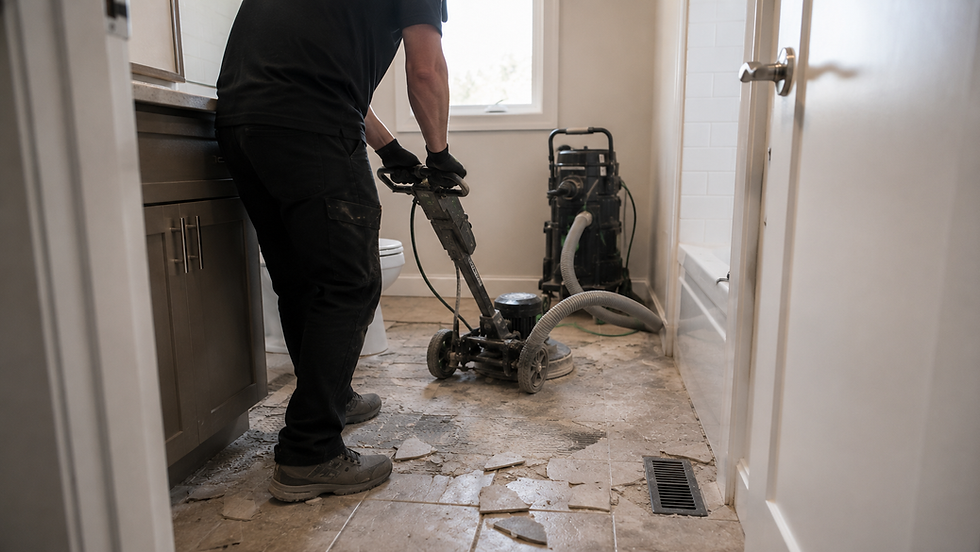
Dust Control Method | Capture Point | HVAC Risk in Bathroom | Occupied Home Suitable? |
No dust control | None | Very high | No |
Plastic sheeting and exhaust fan | After airborne, partial | High if fan draws toward HVAC | Rarely |
Shop vac nearby | After airborne, partial | Moderate | Marginally |
Professional source-capture equipment | At tool, before airborne | Minimal | Yes |
Source-capture equipment captures dust at the chisel head before it becomes airborne, which means it never reaches the HVAC return in the first place. For a bathroom remodel in an occupied home, this is the difference between a single-day demo and a project that requires the home's HVAC to be cleaned after the work is done.
Floor Tile vs Wall Tile: Two Different Removal Phases
Most professional bathroom demo sequences address floor tile before wall tile. Floor tile removal tends to generate more debris and dust, and doing it first prevents broken tile pieces from landing on already-cleared wall areas. It also gives the demo crew a stable footing on bare subfloor while addressing wall tile rather than working on intact tile that can shift or crack underfoot.
Wall tile removal carries a different risk than floor tile removal: damaging the drywall, cement board, or plaster substrate behind the tile. Wall substrates are more vulnerable to chisel damage than concrete slabs, and tile that is deeply embedded in thinset over a mortar bed can take sections of drywall with it when removed. The approach for wall tile is slower and more controlled than floor tile removal as a result.
Moisture Damage Hidden Behind Bathroom Tile
Bathrooms are the most common place in a home for hidden moisture damage to appear during demo. Years of water infiltration through failing grout, cracked caulk, or deteriorating waterproofing can saturate cement board, damage plaster, or cause subfloor damage that is not visible until the tile comes off. A professional demo crew should flag these conditions when discovered and communicate options before proceeding.
For older Central Oregon homes, this moisture condition discovery is one of the most common reasons bathroom remodels expand in scope partway through the project. Catching it at the demo stage, rather than after new tile has been installed, is the outcome that protects the homeowner's investment.
Thinset Removal in Bathrooms
Bathroom tile is often installed over cement board rather than directly on the subfloor, which changes the thinset removal approach. Thinset over cement board on a bathroom floor tends to be more firmly bonded and more uniform than thinset over concrete slab in other rooms, because the cement board surface provides consistent adhesion across the entire installation.
Thinset cleanup after bathroom floor tile removal is a required step before new tile can be installed, and it is frequently where a bathroom demo job takes longer than expected. DustFree PNW's dedicated thinset removal service covers this phase on bathroom floor jobs where mortar cleanup is the primary challenge after the tile is gone.
What a Complete Bathroom Tile Removal Looks Like
A finished bathroom tile removal leaves floor and wall substrates clean of tile fragments, thinset, and adhesive residue. The floor substrate should be flat and ready for new tile installation. Wall substrates should be clean and intact, with any damaged sections identified and flagged for repair before new tile goes up.
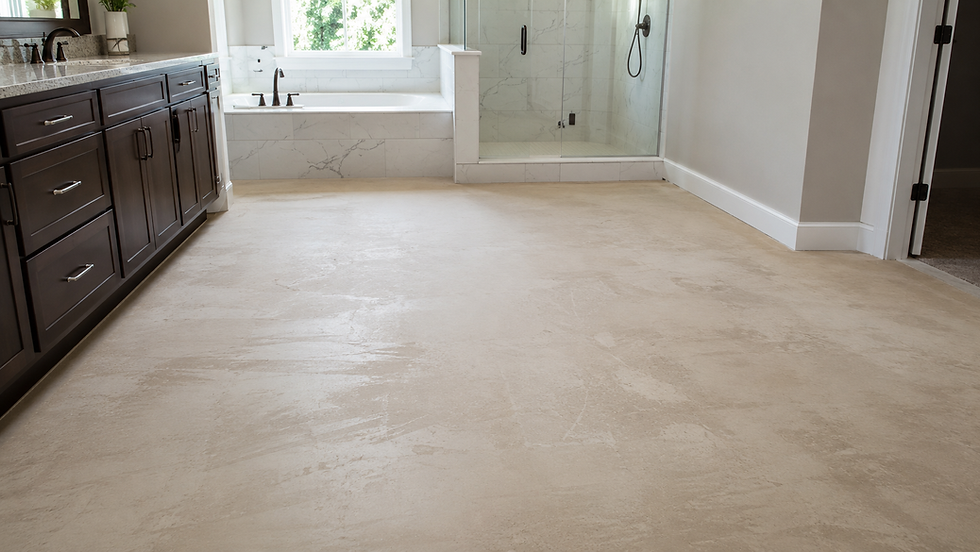
All debris, including broken tile, grout fragments, and thinset pieces, should be hauled from the property as part of the completed scope. A bathroom that is ready for the next phase of the remodel after demo is one where the installation crew can walk in and start work without additional cleanup or prep. DustFree PNW covers this full scope across our Central Oregon service areas. You can review our work on our Google Business Profile or get a free quote for your bathroom tile project.
Final Thoughts
Bathroom tile removal is the most concentrated demo scenario in a typical home remodel, with the most dust per square foot, the most confined working conditions, and the closest proximity to HVAC systems. Getting it done right with source-capture dust control protects the home's air quality, protects the plumbing and fixtures that stay, and leaves the new installation crew with a substrate they can start on immediately. Get a free quote from DustFree PNW.
FAQ
What makes bathroom tile removal different from tile removal in other rooms?
Bathrooms are smaller and more enclosed, have HVAC returns nearby that draw dust through the system, involve both floor and wall tile as separate phases, and more frequently have hidden moisture damage beneath the tile.
Does bathroom tile removal create a lot of dust?
Yes. Tile removal releases silica dust from the tile and thinset mortar. Bathrooms concentrate this dust in a very small space with HVAC exposure nearby, making source-capture dust control more important here than in larger rooms.
Should floor tile or wall tile be removed first in a bathroom?
Floor tile is typically removed first. This provides stable footing for the wall tile work and prevents debris from landing on areas already cleared during wall removal.
Can bathroom tile removal damage what is behind the wall?
Yes, especially on wall tile over drywall or plaster. Wall tile removal requires a more controlled approach than floor tile removal to avoid chisel damage to the substrate behind it.
Is thinset removal included in bathroom tile removal?
A complete scope should include it. Thinset left behind on the floor substrate prevents new tile from laying flat and bonding correctly. Always confirm it is included before booking.
Does DustFree PNW handle bathroom tile removal in Central Oregon?
Yes. DustFree PNW provides professional dust-free bathroom tile removal throughout Central Oregon, including thinset removal, subfloor cleanup, and debris haul-away. Contact us today for a free quote.


Comments