
What Should I Do Before the Demo Crew Arrives?
TL;DR: Clearing furniture and personal items from the work zone, protecting valuables in adjacent rooms, confirming utility and access needs, and discussing load-bearing walls or hidden conditions with the crew beforehand are the core steps that make demo day go smoothly. A few hours of preparation the day before an appointment prevents delays, protects belongings from dust and accidental damage, and lets the crew start work immediately upon arrival rather than spending part of the appointment clearing the space themselves.

Key Takeaways
Clearing all furniture, decor, and valuable items from the work zone and adjoining rooms before the crew arrives is the single most important preparation step for any demo appointment.
Large items that cannot be moved should be protected with heavy-duty covers, since dust and accidental impact can affect items even outside the immediate work zone.
Confirming which walls are load-bearing, if any wall removal is part of the scope, should happen before demo day, not discovered mid-project.
High foot traffic from crew members moving in and out during the appointment can affect flooring in areas outside the work zone, making protective coverings on high-traffic pathways a worthwhile precaution.
Discussing access logistics, including parking for equipment and debris hauling, pet and child arrangements, and any specific scheduling needs, ahead of time prevents avoidable delays on the actual appointment day.
A little preparation before a demo crew arrives makes a meaningful difference in how smoothly the appointment goes. Since most residential flooring and tile demo projects are scheduled to complete within a single day, any time spent clearing the space or resolving access questions after the crew arrives eats directly into the working time available for the actual demolition itself.
DustFree PNW provides interior demolition and flooring removal across Central Oregon, and we recommend the following preparation steps before any scheduled appointment. Here is what to handle in advance.
The Core Pre-Demo Checklist

Preparation Item | Why It Matters |
Clear furniture and personal items from the work zone and adjoining rooms | Protects belongings from dust, debris, and accidental damage; lets the crew start work immediately |
Cover large, immovable items with heavy-duty protective coverings | Shields furniture and fixtures that cannot be relocated from dust exposure |
Confirm load-bearing wall status if any wall removal is part of the scope | Prevents structural surprises discovered mid-demolition rather than planned for in advance |
Protect high-traffic pathways with coverings | Foot traffic from crew members moving equipment and debris can affect flooring outside the work zone |
Arrange for pets and children to be elsewhere or in a separate part of the home | Keeps them safely away from active work, dust, and equipment |
Confirm access and parking logistics with the crew ahead of time | Prevents delays from confusion about where equipment and haul-away vehicles can park |
Clearing the work zone and adjoining rooms of furniture, decor, and valuable items is consistently the most overlooked preparation step, and also the one that most directly affects how efficiently a demo appointment proceeds. Storing these items in a separate area of the home, or in secure storage if the scope is extensive, protects them from dust, debris, and the incidental damage that can happen during active demolition work nearby.
Protecting What Cannot Be Moved
For large furniture, fixtures, or items that genuinely cannot be relocated out of the affected area, heavy-duty covers provide a reasonable layer of protection during the project. Even with dust-free source-capture equipment reducing airborne particulate significantly compared to traditional demo methods, some incidental dust and debris exposure near the immediate work zone is realistic, and covering items that cannot be moved is a sensible precaution regardless of which dust control method the crew uses.
Confirming Structural Details Before Wall Removal
If the demo scope includes any wall removal, confirming which walls are load-bearing before work begins is essential, not something to discover partway through the project. A qualified demo crew should verify this as part of the planning process, and any wall whose load-bearing status is uncertain should be assessed by a structural professional before removal proceeds. This confirmation step protects both the immediate safety of the crew and the long-term structural integrity of the home.
Why High-Traffic Pathways Deserve Protection Too
Demo projects generate foot traffic beyond the immediate work zone, as crew members move equipment, debris, and materials in and out of the home throughout the appointment. This traffic can affect flooring in hallways and entryways that are not part of the demo scope itself, making protective coverings on these pathways a reasonable precaution, particularly for finished flooring like hardwood that could show wear from repeated equipment movement over the course of a project.
Arranging for Pets, Children, and Household Members
Keeping pets and young children away from the active work zone throughout the demo appointment protects their safety around equipment and any incidental debris, and also reduces stress for animals that may be sensitive to the noise and activity involved. Planning this arrangement in advance, rather than figuring it out once the crew has already arrived, keeps the appointment moving smoothly from the start.
Confirming Access and Logistics Ahead of Time
Discussing where equipment and debris-hauling vehicles will park, whether any specific building access requirements apply (particularly relevant for condos or multi-unit buildings with elevator or loading dock considerations), and confirming the exact scope of work with the crew before the appointment day prevents avoidable delays. A brief conversation covering these logistics, ideally a day or two before the scheduled appointment, resolves questions that would otherwise need to be worked out on-site while the clock on the appointment is already running.
What a Well-Prepared Work Zone Looks Like

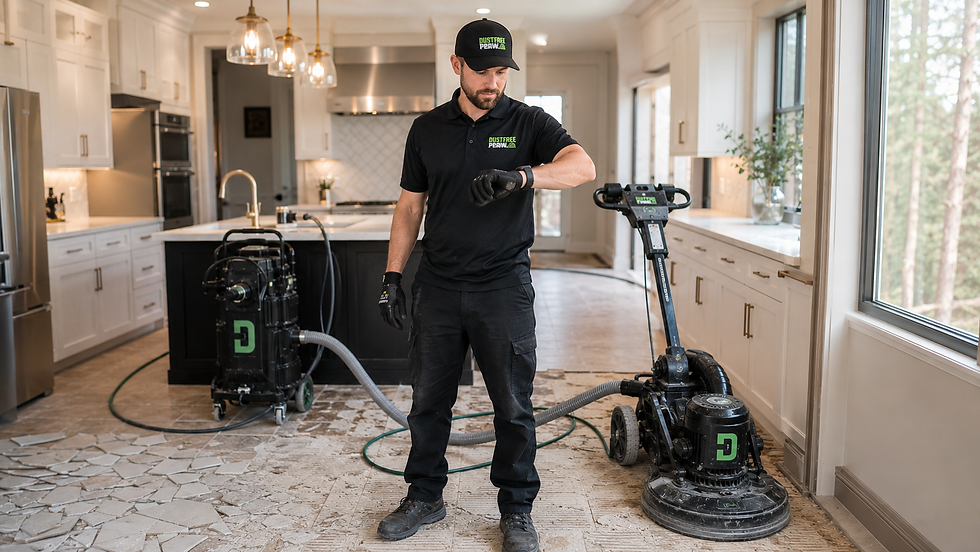
A well-prepared work zone is cleared of furniture and personal items, has valuable or immovable items protected with coverings, has pets and children arranged elsewhere for the day, and has access and parking logistics already confirmed with the crew. This preparation allows the demo crew to begin work immediately upon arrival, maximizing the working time available within the scheduled appointment.
DustFree PNW provides clear pre-appointment guidance for every interior demolition project across our Central Oregon service areas. You can review our work on our Google Business Profile or get a free quote for your project.
Final Thoughts
A little preparation before a demo crew arrives, clearing the work zone, protecting what cannot be moved, confirming structural details, and arranging pets and access logistics in advance, makes the difference between an appointment that starts working immediately and one that loses valuable time to on-site preparation. Get a free quote from DustFree PNW.
FAQ
What is the most important thing to do before a demo crew arrives?
Clearing furniture, decor, and valuable items from the work zone and adjoining rooms is the single most important preparation step, protecting belongings and allowing the crew to start work immediately.
Should I cover furniture that cannot be moved before demo?
Yes. Heavy-duty covers provide a reasonable layer of protection for large or immovable items, even when dust-free source-capture equipment is used, since some incidental exposure near the work zone is realistic.
Do I need to know if a wall is load-bearing before demo?
Yes, if wall removal is part of the scope. This should be confirmed before demo day, with any uncertain walls assessed by a structural professional beforehand rather than discovered mid-project.
Should high-traffic areas outside the work zone be protected too?
Yes. Crew members moving equipment and debris through hallways and entryways can affect flooring outside the demo scope, making protective coverings on these pathways a reasonable precaution.
Should pets and children be kept away during a demo project?
Yes. Keeping pets and young children away from the active work zone protects their safety around equipment and debris, and reduces stress from noise and activity for sensitive animals.
Does DustFree PNW provide preparation guidance before demo appointments in Central Oregon?
Yes. DustFree PNW provides clear pre-appointment guidance for interior demolition projects across Central Oregon. Contact us for a free quote.


Comments