
Gym and Fitness Facility Floor Removal
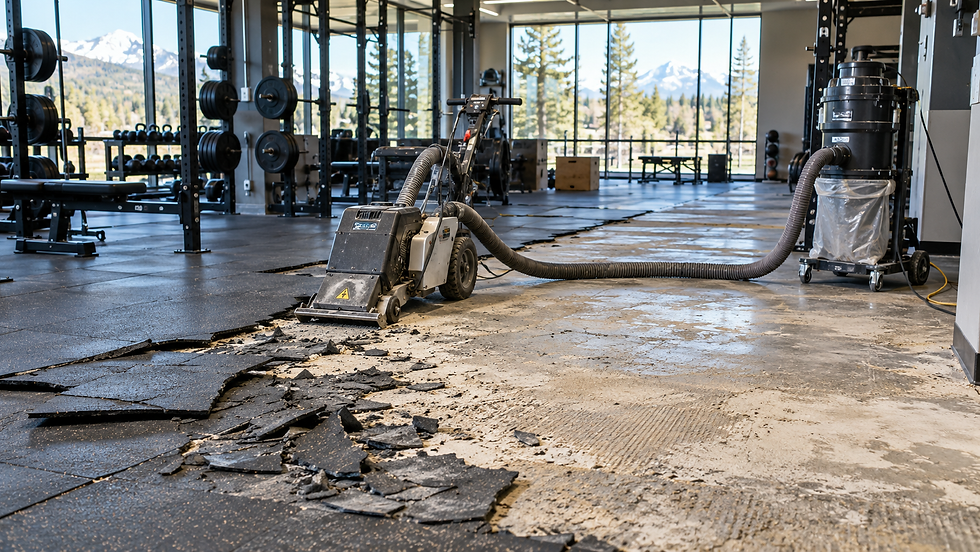
Gym and Fitness Facility Floor Removal
TL;DR: A single slip-and-fall lawsuit tied to worn or inadequate gym flooring can easily exceed $100,000 in legal fees and settlements, dwarfing the cost of the flooring replacement that could have prevented it, and courts have consistently held fitness facilities responsible for injuries caused by substandard flooring or inadequate maintenance. This liability reality, combined with research showing facility quality ranks among the top three factors influencing membership decisions alongside location and price, makes gym flooring removal and replacement a genuine business protection issue, not simply an aesthetic upgrade.
Key Takeaways
Worn or substandard gym flooring is a documented cause of slip-and-fall liability, with a single lawsuit potentially exceeding $100,000 in legal costs and settlements.
Facility quality, including flooring condition, ranks among the top three factors influencing fitness membership decisions, alongside location and price.
Phased installation keeps portions of a facility open to members during flooring work, while off-peak or overnight scheduling offers an alternative approach.
Commercial gym flooring installation typically takes three to seven days for a mid-sized facility, extending for larger spaces or subfloor preparation needs.
Different zones within a gym, free weights, cardio, studios, and locker rooms, generally require different flooring materials suited to each area's specific demands.
Commercial gym and fitness facility flooring endures a genuinely different intensity of daily use than almost any other commercial space, engineered to withstand sustained, peak-hour demand across years of repeated heavy impact, dropped weights, and constant foot traffic. Understanding how to schedule and sequence flooring removal in an operating fitness facility, and why the liability stakes genuinely matter here, helps gym owners approach this project with the right priorities.
DustFree PNW provides commercial floor removal for gyms and fitness facilities across Central Oregon, scoped to fit an operating facility's membership schedule. Here is how this project type needs to be approached.
Why Gym Flooring Carries Genuine Liability Weight

Consideration | The Real Stakes | Practical Implication |
Slip-and-fall liability | A single lawsuit can exceed $100,000 in legal fees and settlements | Worn or damaged flooring is a genuine, quantifiable business risk |
Facility quality and retention | Facility quality ranks among the top three factors in membership decisions | Flooring condition directly affects revenue, not just appearance |
Impact and durability demands | Dropped weights, high-impact classes, and constant traffic require genuinely durable materials | Standard commercial flooring often isn't rated for this level of use |
Scheduling around member access | Members expect consistent facility availability, often extended or 24-hour hours | Downtime directly and immediately affects member experience and retention |
Given these combined stakes, financial liability exposure and membership retention, gym flooring removal deserves a level of planning attention that goes beyond simply selecting an attractive new material and scheduling a crew.
Why Phased Installation Keeps Facilities Partially Open
For gyms unable to close entirely during a flooring project, phased installation, completing the work section by section while keeping other portions of the facility open to members, is a genuinely viable approach that experienced commercial flooring contractors regularly offer. This approach requires more careful sequencing and dust and noise control planning than a single full-facility closure would, but it protects a meaningful share of ongoing member access and revenue throughout the project rather than requiring the gym to close entirely for the full renovation duration.
Why Off-Peak and Overnight Scheduling Offers a Genuine Alternative
For gym owners who prefer to avoid the complexity of phased installation, scheduling flooring removal during off-peak seasons, or during overnight and early morning hours outside a facility's active membership traffic, offers an alternative path to minimizing member disruption without splitting the project into a more complex phased sequence. Many fitness facilities experience genuine seasonal fluctuation in membership activity, and identifying a facility's own slower period provides a natural window for scheduling more extensive flooring work.
Why the Typical Timeline Matters for Planning Member Communication
Commercial gym flooring installation typically takes three to seven days for a mid-sized facility, though this timeline extends for larger spaces, additional subfloor leveling or preparation needs, and more complex project scopes. Understanding this realistic timeline range before finalizing scheduling helps gym owners communicate accurately with members about expected closure or reduced-access periods, rather than either underestimating the disruption or over-promising a faster turnaround than the actual scope allows.
Why Subfloor Condition Deserves Assessment Before Committing to a Timeline
Given how much cumulative impact commercial gym flooring absorbs over years of heavy use, dropped weights, high-impact classes, and constant foot traffic, flooring removal frequently reveals subfloor conditions that add time to the project beyond a straightforward material swap. Subfloor leveling or repair needs specifically extend project timelines beyond the typical three-to-seven-day range, and identifying these needs during an initial walkthrough assessment, rather than discovering them once removal is already underway, protects the overall project schedule from an unplanned extension.
Why Different Zones Within a Gym Need Different Materials
A commercial fitness facility rarely uses a single flooring material throughout the entire space, since free weight areas, cardio zones, group class studios, and locker rooms each face genuinely different impact, moisture, and traffic demands. Rubber flooring dominates free weight and high-impact areas specifically for its shock absorption and durability against dropped equipment, while cardio zones and studio spaces may use different rubber formulations or specialized athletic surfaces suited to their specific activity type. Planning removal and replacement scope zone by zone, rather than assuming uniform material and timeline across the entire facility, produces a more accurate project plan.
Why Locker Rooms and Changing Facilities Deserve Their Own Planning Track
Locker rooms, showers, and changing facilities consistently rank among top member concerns and satisfaction drivers in fitness facility research, and flooring in these specific spaces faces genuinely different demands, sustained moisture exposure and slip resistance requirements, than the main workout floor areas. These spaces often warrant their own dedicated planning track within a broader gym flooring project, since moisture-related plumbing and ventilation considerations frequently intersect with flooring work in ways that don't apply to dry workout zones.
Why Dropped Weight Impact Testing Matters for Material Selection
Rubber flooring intended for free weight areas is rated for different impact absorption levels depending on thickness and construction, and a facility housing serious strength training with heavy dropped weights genuinely needs a thicker, higher-rated product than a facility focused primarily on cardio or light functional fitness. Confirming a specific product's rated impact tolerance against the facility's actual member activity, rather than assuming any rubber flooring product will perform equivalently, protects against premature wear or subfloor damage from underrated material absorbing more impact than it was designed to handle.
Why Financing Renovation Costs Sometimes Makes Business Sense
Many fitness studio and gym owners fund flooring renovation through a business loan rather than paying entirely out of pocket, then implement a modest membership rate increase that covers the loan payment while delivering the improved member experience the renovation provides. This financing approach reflects flooring's status as one of the renovations delivering the strongest return on investment for fitness businesses specifically, alongside locker room upgrades and lighting improvements, making it a genuinely reasonable business decision to spread the cost over time rather than delaying a needed renovation indefinitely while saving toward a full cash payment.
Why Noise Control Deserves Specific Attention in Multi-Tenant Buildings
Gyms operating within a larger commercial building, a strip mall, mixed-use development, or office building with shared walls, need genuine noise control planning during flooring removal, since demolition activity can affect neighboring tenants in ways an independent, standalone facility wouldn't need to consider. Scheduling louder demolition phases during hours coordinated with building management, and confirming any lease-specific noise restrictions before work begins, protects the gym's relationship with both its landlord and neighboring businesses throughout the project.
What a Well-Planned Gym Flooring Project Delivers

A properly planned gym flooring removal and replacement project delivers renovated space appropriate to each zone's specific demands, completed within a realistic timeline that accounts for genuine subfloor conditions, and scheduled to protect as much member access and revenue as the facility's operational constraints allow.
DustFree PNW provides commercial floor removal for gyms and fitness facilities across our Central Oregon service areas. You can review our work on our Google Business Profile or get a free quote for your facility.
Final Thoughts
Gym and fitness facility flooring removal carries genuine liability and retention stakes beyond simple aesthetics, given documented slip-and-fall exposure and facility quality's direct effect on membership decisions. Planning around phased installation or off-peak scheduling, realistic timelines, and zone-specific material needs delivers a renovation that protects both the business and its members. Get a free quote from DustFree PNW.
FAQ
Why does gym flooring carry genuine liability risk?
Worn or substandard flooring is a documented cause of slip-and-fall injuries, and courts have consistently held fitness facilities responsible, with a single lawsuit potentially exceeding $100,000 in legal costs and settlements.
Can a gym stay partially open during flooring removal?
Yes, through phased installation, completing work section by section while other portions remain open to members, though this requires more careful sequencing than a full closure.
How long does commercial gym flooring installation typically take?
About three to seven days for a mid-sized facility, though larger spaces, subfloor preparation needs, or more complex scopes extend this timeline.
Does gym flooring condition actually affect membership retention?
Yes. Research consistently shows facility quality ranks among the top three factors influencing membership decisions, alongside location and price.
Does every area of a gym need the same flooring material?
No. Free weight areas, cardio zones, studio spaces, and locker rooms face different impact, moisture, and traffic demands, generally requiring different materials suited to each zone.
Should locker rooms be planned separately from the main workout floor?
Yes. Locker rooms face sustained moisture exposure and different slip-resistance requirements, often intersecting with plumbing and ventilation considerations that don't apply to dry workout areas.
Does rubber flooring thickness matter for heavy weightlifting areas?
Yes. Products are rated for different impact absorption levels, and facilities with serious strength training and dropped heavy weights need a thicker, higher-rated product than lighter-use areas.
Should gym owners finance flooring renovation rather than pay upfront?
It's a genuinely reasonable option many owners use, funding renovation through a loan and covering payments with a modest membership rate increase, since flooring delivers strong ROI among fitness renovations.
Does noise matter for gyms in shared or multi-tenant buildings?
Yes. Demolition activity can affect neighboring tenants, so coordinating louder work phases with building management and confirming lease-specific noise restrictions protects landlord and tenant relationships.
Does DustFree PNW provide flooring removal for gyms and fitness facilities in Central Oregon?
Yes. DustFree PNW provides commercial floor removal for gyms and fitness facilities across Central Oregon. Contact us for a free quote.


Comments