
Respirator Fit Testing: What It Is and Why It Matters for Demo Crews

Respirator Fit Testing: What It Is and Why It Matters for Demo Crews
TL;DR: OSHA's respiratory protection standard, 29 CFR 1910.134, requires every worker using a tight-fitting respirator to pass a fit test before initial use, whenever a different respirator facepiece is selected, and at least annually thereafter, regardless of how effective the respirator's filter media itself might be. A NIOSH study following 229 subjects over three years found that workers who lost more than 20 pounds needed re-testing to confirm their current respirator size still fit properly, concrete evidence supporting why this recurring requirement exists rather than a one-time fitting being sufficient for years of use.
Key Takeaways
Fit testing confirms whether a specific respirator model and size actually seals against an individual's face, a distinct question from filter selection alone.
Qualitative testing uses taste or smell agents for half-mask respirators, while quantitative testing uses instruments to measure actual leakage for higher-protection respirators.
OSHA requires testing before initial use, whenever the respirator model changes, annually, and whenever a physical condition change might affect fit.
NIOSH research found weight loss exceeding 20 pounds can compromise previously confirmed respirator fit, directly validating this specific OSHA trigger requirement.
Facial hair crossing the sealing surface generally prevents a proper fit test from passing, regardless of testing technique used.
Fit testing addresses a genuinely different question than filter selection does. Even the highest-rated P100 filter provides no protection if unfiltered air bypasses the seal around a respirator's edges rather than passing through the filter media itself, which is exactly why OSHA mandates fit testing as its own distinct, recurring requirement separate from simply choosing an appropriately rated respirator.
DustFree PNW's crews follow proper respiratory protection standards, including fit testing, alongside source-capture dust control on every project across Central Oregon. Here is what fit testing actually involves and why it matters as much as filter selection itself.
The Two OSHA-Accepted Fit Testing Methods

Method | How It Works | When It Applies |
Qualitative Fit Test (QLFT) | Pass/fail test using taste or smell agents (Bitrex, saccharin, isoamyl acetate, or irritant smoke) detected if the seal fails | Half-mask respirators only, where required assigned protection factor is 10 or below |
Quantitative Fit Test (QNFT) | Instrument-based measurement of actual air leakage into the facepiece, producing a numerical fit factor | Required for respirators with APF above 10 (full-facepiece, PAPRs, tight-fitting supplied-air respirators) |
Minimum passing fit factor (QNFT) | At least 100 for half-mask respirators (10 times the APF of 10) | Higher minimums apply for full-face respirators given their higher assigned protection factor |
Both testing methods answer the same fundamental question, whether a specific respirator model and size actually seals against a specific individual's face, but they do so through genuinely different mechanisms, one relying on subjective sensory detection and the other on objective instrument measurement.
Why Qualitative Testing Works the Way It Does
Qualitative fit testing places a worker in a hood or enclosure with a challenge agent, commonly saccharin for its sweet taste, Bitrex for its bitter taste, or isoamyl acetate for its banana-like smell, and the test fails if the worker can taste or smell the agent through the respirator's seal during specific breathing and movement exercises. This method is genuinely limited to half-mask respirators where the required assigned protection factor doesn't exceed 10, since the test's subjective, pass/fail nature doesn't provide the more precise numerical confirmation that higher-protection respirator configurations require.
Why Quantitative Testing Provides a Numerical Result
Quantitative fit testing uses an aerosol detector or condensation nuclei counter to measure the actual concentration of leaked air reaching inside the facepiece compared to ambient air outside it, producing a specific numerical fit factor rather than a simple pass or fail. A half-mask respirator needs to achieve a minimum fit factor of at least 100, ten times its assigned protection factor of 10, while full-face respirators, given their higher protection rating, require correspondingly higher minimum fit factors to pass.
Why Four Specific Events Trigger a New Fit Test
Beyond the baseline annual requirement, OSHA identifies four specific triggers requiring a new fit test regardless of when the last annual test occurred: initial use of a tight-fitting respirator, any change in the specific respirator model or facepiece size being used, the standard annual recurrence, and any change in the employee's physical condition that could reasonably affect the respirator's seal. This last category specifically includes facial scarring, dental changes, cosmetic surgery, or an obvious change in body weight, conditions that genuinely alter facial geometry enough to compromise a previously confirmed seal.
Why the NIOSH Weight-Loss Study Matters for Real-World Compliance
The NIOSH study following 229 subjects over three years specifically found that weight loss exceeding 20 pounds warranted re-testing to confirm continued proper fit, a finding that directly validates OSHA's physical-condition trigger requirement with actual longitudinal data rather than theoretical concern alone. This research addressed a genuine gap, since relatively little prior research had examined how respirator fit changes over time as facial dimensions shift due to weight fluctuation, and the study's conclusions reinforced that this specific trigger condition deserves the same seriousness as the standard annual requirement.
Why Documentation Requirements Matter as Much as the Test Itself
OSHA requires employers to establish and retain written records of fit testing, including the worker's name, test date, protocol used, and the specific respirator make, model, and size tested, with this documentation retained until the next fit test is administered. Audit findings across construction and healthcare safety programs consistently identify documentation gaps, not failures of the actual fit test itself, as the most common compliance issue, underscoring that a genuinely compliant respiratory protection program requires careful recordkeeping alongside the testing process.
Why Fit Test Administrators Need Their Own Training
Beyond training the workers being tested, whoever administers fit tests within an organization needs documented training specific to the testing method and equipment being used, a requirement outlined in OSHA's Appendix A guidance. This administrator-level training requirement reflects that fit testing, whether qualitative or quantitative, requires genuine technical competence to execute correctly, since an improperly administered test can produce a false pass that leaves a worker believing they have adequate protection when they genuinely don't.
Why Facial Hair Makes Fit Testing Impossible to Pass Reliably
Because both qualitative and quantitative fit testing methods rely on confirming a genuine seal at the face perimeter, facial hair crossing the sealing surface fundamentally undermines the testing process itself, not just real-world respirator use. A worker with a beard attempting a fit test will typically fail even a properly administered test, since no amount of testing technique can compensate for hair physically preventing the mask material from contacting skin consistently around the seal area. This is why facial hair policies at companies with respiratory protection programs aren't arbitrary grooming standards but a direct consequence of how fit testing and respirator seals fundamentally work.
Why Using the Exact Tested Respirator Matters Ongoing
A fit test result applies specifically to the exact make, model, style, and size of respirator tested, not to respirators generally or even to a different size within the same product line. A worker fit-tested on a medium half-mask respirator from one manufacturer cannot assume that result applies to a large size from the same manufacturer, or to a medium from a different manufacturer, even if the two products appear similar. This specificity requirement means workplaces need to track not just that fit testing occurred, but precisely which respirator was tested, ensuring the same exact product continues to be issued and used going forward.
Why Fit Testing Equipment Itself Requires Maintenance
Unlike respirator cartridges and filters that carry clear expiration dates, fit testing instruments themselves don't provide an obvious signal indicating when calibration or maintenance is needed, creating a genuine risk that equipment failure on testing day disrupts an entire scheduled testing session. Organizations managing an ongoing respiratory protection program benefit from establishing a proactive maintenance and calibration schedule for quantitative fit testing instruments specifically, rather than discovering equipment issues only once testing is already underway and workers are waiting.
What Proper Fit Testing Delivers
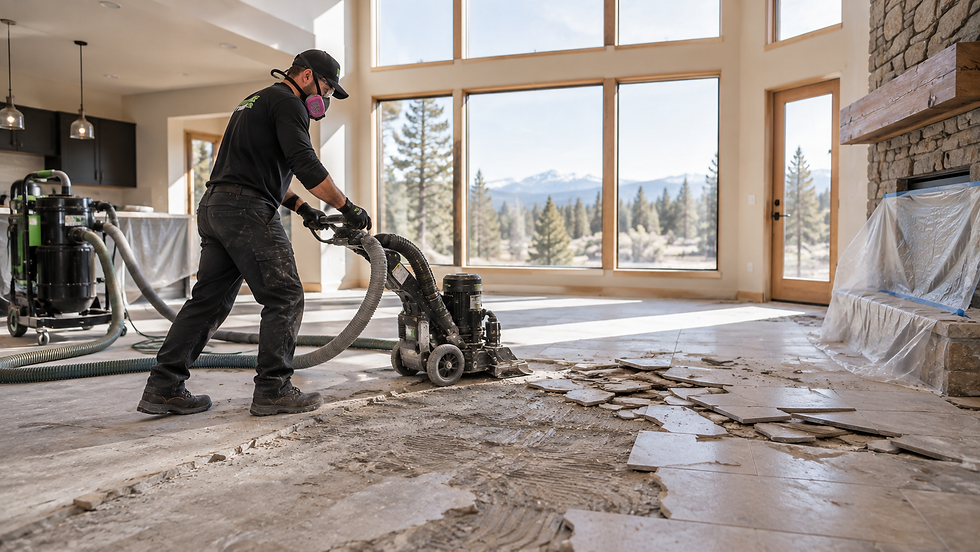
A genuinely compliant fit testing program, following the correct method for a given respirator's assigned protection factor, retesting at required intervals and trigger events, and maintaining proper documentation, delivers confirmed, verified protection rather than assumed protection based on filter rating alone. This distinction matters directly for anyone working around silica-generating demolition and concrete work on a regular basis, where the actual seal quality determines real-world protection considerably more than the filter class printed on the cartridge.
DustFree PNW follows proper respiratory protection standards, including fit testing, alongside source-capture dust control on every project across our Central Oregon service areas. You can review our work on our Google Business Profile or get a free quote for your project.
Final Thoughts
Respirator fit testing addresses whether a specific respirator model actually seals against an individual worker's face, a genuinely distinct question from filter selection that OSHA requires be confirmed before initial use, whenever the respirator model changes, annually, and whenever a physical change might affect the seal. Following both qualitative and quantitative testing methods correctly, maintaining proper documentation, and taking physical-condition triggers seriously delivers the confirmed protection a respirator's filter rating alone cannot guarantee. Get a free quote from DustFree PNW.
FAQ
What is respirator fit testing and why is it required?
Fit testing confirms a specific respirator model and size actually seals against an individual's face, since unfiltered air bypassing the seal makes even a high-rated filter ineffective, and OSHA requires this be verified through testing.
What is the difference between qualitative and quantitative fit testing?
Qualitative testing is a subjective pass/fail test using taste or smell agents, limited to lower-protection half-mask respirators, while quantitative testing uses instruments to measure actual leakage and produce a numerical fit factor, required for higher-protection respirators.
How often does OSHA require respirator fit testing?
Before initial use, whenever a different respirator model or facepiece size is used, and at least annually thereafter, with additional testing required for any physical change affecting fit.
Does weight change actually affect respirator fit?
Yes, according to NIOSH research. A study following workers over three years found that weight loss exceeding 20 pounds warranted re-testing to confirm continued proper fit.
What documentation does OSHA require for fit testing?
Records must include the worker's name, test date, protocol used, and the specific respirator make, model, and size tested, retained until the next fit test is administered.
Who can administer a respirator fit test?
Whoever administers the test needs documented training specific to the testing method and equipment used, since an improperly administered test can produce a false pass.
Can someone with a beard pass a respirator fit test?
Generally, no. Facial hair crossing the sealing surface prevents the mask from contacting skin consistently, meaning a proper fit test will typically fail regardless of testing technique used.
Does a fit test result apply to any respirator or just the specific one tested?
Only the specific one tested. A fit test result applies to the exact make, model, style, and size tested, not to respirators generally, even within the same product line.
Does DustFree PNW follow proper respirator fit testing standards on projects in Central Oregon?
Yes. DustFree PNW follows proper respiratory protection standards, including fit testing, alongside source-capture dust control on every project across Central Oregon. Contact us for a free quote.


Comments