
Fall Turnover Checklist for Property Managers
TL;DR: A fall turnover checklist property manager teams can rely on should include flooring condition alongside HVAC, gutters, and other seasonal maintenance. Scheduling flooring removal and installation early helps secure qualified vendors before winter demand increases, reducing last-minute delays and helping vacant units stay on track for faster turnover during the busy holiday season.

Key Takeaways
Most property management teams begin winter preparation in earnest during fall, using structured checklists and vendor bid processes to secure contractors before winter arrives.
Starting the vendor scheduling process early is specifically recommended by industry professionals, since securing flooring, HVAC, and other seasonal vendors ahead of time avoids the compressed availability that builds as winter approaches.
Vacant units requiring flooring attention should be identified and scheduled during fall property walkthroughs, rather than discovered and addressed reactively once a new tenant is ready to move in.
A written, standardized checklist applied across every property outperforms an informal approach dependent on individual staff memory.
Documenting flooring condition during fall inspections, alongside other seasonal maintenance items, creates a record that supports both maintenance planning and owner reporting.
Property management teams treat fall as the genuine turning point for winter preparation, and the industry's own guidance consistently emphasizes starting checklists and vendor processes early rather than waiting until cold weather forces reactive scheduling. Flooring condition deserves a specific place in this fall planning process, both for vacant units awaiting turnover and for occupied units where flooring issues have been flagged but not yet addressed.
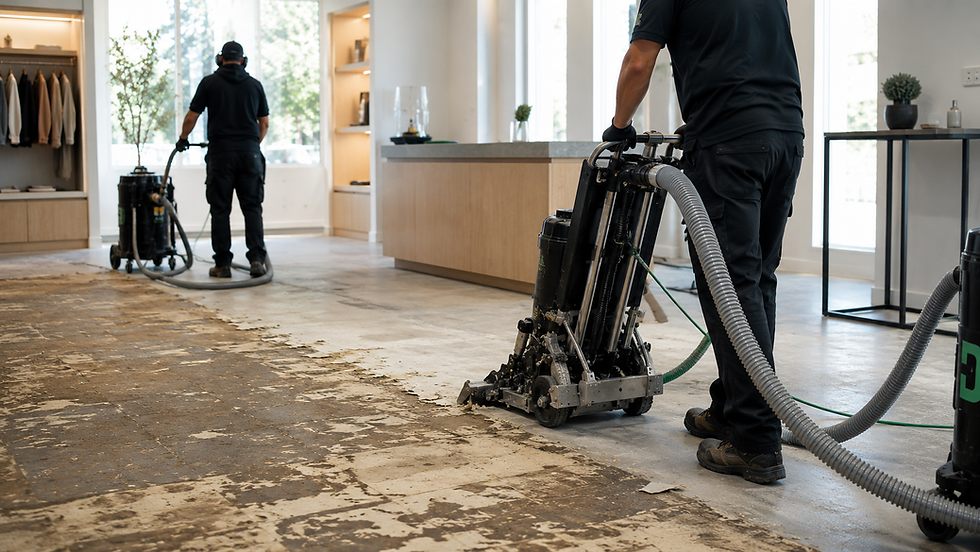
DustFree PNW's flooring removal service supports property management portfolios across Central Oregon with fall scheduling that gets ahead of the winter crunch. Here is a practical checklist for the season, along with why the timing matters more than most property managers initially assume.
The Fall Turnover Checklist

Checklist Item | Why Fall Timing Matters |
Walk each vacant unit and document flooring condition | Identifies units needing flooring removal before they sit vacant through winter |
Secure flooring removal and installation vendors for the season | Avoids compressed availability as winter and holiday demand builds |
Schedule known flooring replacement projects before winter | Interior demo is not weather-dependent, but scheduling windows tighten as fall progresses |
Add or replace entry mats at building entrances | Reduces water, mud, and de-icing salt damage to entryway flooring during wet and icy months |
Document flooring condition alongside other fall maintenance items | Creates a maintenance record supporting owner reporting and future planning |
Confirm vacant unit winterization is coordinated with any flooring work | Avoids conflicting schedules between plumbing shutoff and flooring crew access |
Property management teams that follow this kind of structured fall approach report meaningfully smoother winter operations, since vendor relationships and scheduling are locked in before demand peaks rather than negotiated under pressure once an issue becomes urgent. This same logic applies directly to flooring: identifying which vacant or soon-to-be-vacant units need flooring attention during fall walkthroughs, then securing a reliable flooring removal vendor's schedule before winter arrives, protects a portfolio from the scramble that comes with addressing flooring reactively once cold weather and holiday timelines compound the pressure.
Why Starting Vendor Scheduling Early Matters So Much
Industry guidance consistently points to the same lesson: starting early with checklists and vendor bid processes allows property management teams to secure contractors well before winter arrives, rather than competing for whatever availability remains once seasonal demand has already built. This principle applies directly to flooring vendors. A property manager who identifies flooring needs across a portfolio during fall walkthroughs, then reaches out to a reliable flooring removal contractor immediately, secures scheduling priority that becomes considerably harder to get once winter and the holiday season compress everyone's calendar simultaneously.
Why Entry Points Deserve Extra Flooring Attention in Fall
As wet weather increases through fall and into winter, residents track significantly more water, mud, and eventually de-icing salt into building entrances and unit entryways than during drier months. Placing large, absorbent mats at building entrances, along with heavy-duty mats at individual unit entryways, is a specifically recommended fall maintenance item precisely because this seasonal moisture exposure accelerates wear on entry flooring faster than during any other time of year. Addressing this proactively protects flooring investment in high-traffic entry areas throughout the wetter months ahead.
Documenting Flooring Condition as Part of Fall Inspections
Fall building maintenance inspections, a standard practice across the property management industry, should include flooring condition documentation alongside the more commonly emphasized items like HVAC systems, gutters, and weatherproofing. This documentation serves two practical purposes: it creates a clear record supporting maintenance decisions and owner reporting, and it surfaces flooring issues early enough in the season that they can be scheduled and resolved before winter, rather than discovered only once a tenant complaint or a turnover deadline forces reactive action.
Coordinating Flooring Work Around Vacant Unit Winterization
For vacant units requiring both winterization, such as draining water lines to prevent freezing, and flooring removal or replacement, coordinating these two workstreams during the fall makes practical sense rather than treating them as entirely separate processes. A unit that needs flooring work should have that work scheduled with the same fall urgency as its winterization needs, since both directly protect the property and both benefit from the earlier, less-compressed scheduling window fall provides. Confirming the sequence between these two tasks matters as well, since a flooring crew working in a unit with water already shut off for winterization needs advance notice to plan around that constraint rather than discovering it on arrival.
Why a Written Fall Checklist Outperforms an Informal Approach
Property management teams managing multiple properties or units benefit considerably from a written, standardized fall checklist rather than relying on individual staff members to remember each seasonal task from memory or informal notes. A written checklist ensures consistency across every property in a portfolio, creates a clear audit trail showing due diligence was performed, and makes onboarding new staff or coordinating across a larger team considerably more reliable than an approach dependent on any single person's memory or personal system. This documentation discipline pays off directly if a tenant dispute or insurance question ever arises regarding a property's condition heading into winter.
Budgeting Flooring Turnover Costs Into Fall Planning
Fall is also the practical time to review flooring turnover costs across a portfolio and confirm budget allocation for the projects identified during walkthroughs, since waiting until a specific unit's turnover date to discover a flooring budget shortfall creates unnecessary delay at exactly the point when quick turnaround matters most for minimizing vacancy loss.
Reviewing average per-unit flooring costs from the prior year, adjusting for any material or labor cost increases, and confirming this figure aligns with the current budget gives property managers a realistic sense of how many units can be addressed within the available fall and winter timeframe, and helps prioritize which properties get flooring attention first if the full list cannot be completed before the season's end.
Why Multi-Property Portfolios Benefit From Standing Vendor Relationships
For property management companies overseeing multiple buildings or a larger unit count, establishing a standing relationship with a single, reliable flooring removal contractor rather than sourcing a new vendor for each individual project meaningfully simplifies the fall scheduling process described throughout this checklist. A standing vendor relationship means pricing, scheduling expectations, and quality standards are already established before the fall walkthrough process even begins, allowing the property manager to move directly from identifying a unit's flooring needs to scheduling the work, rather than spending additional time vetting and negotiating with an unfamiliar contractor for every individual project across the portfolio.
What a Well-Executed Fall Turnover Delivers
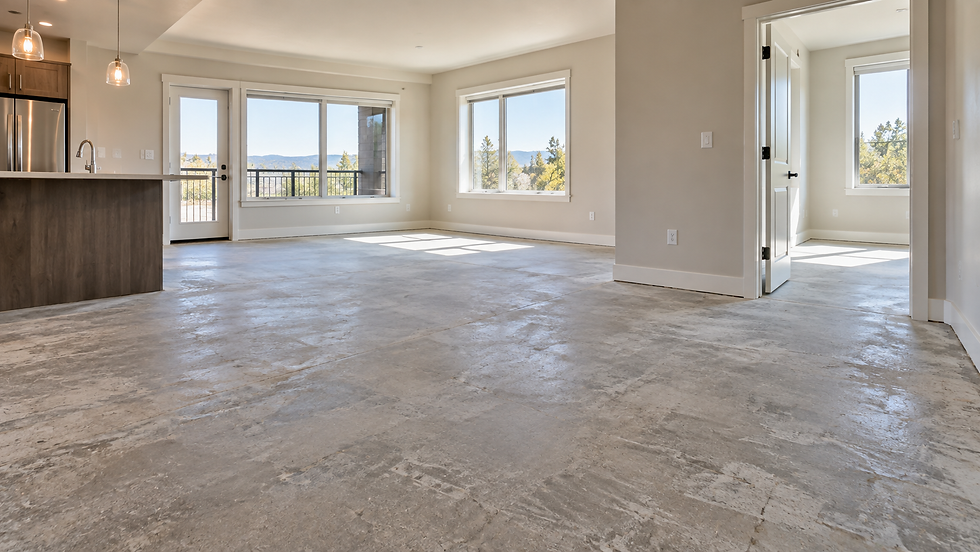
A well-executed fall turnover process delivers flooring issues identified and scheduled before winter arrives, secured vendor availability rather than a scramble for whatever crew remains available in December, and documented flooring condition supporting both current maintenance decisions and future portfolio planning. This proactive approach protects both the property and the property manager's operational calm heading into the busiest season of the year.
DustFree PNW works with property managers across our Central Oregon service areas to schedule flooring projects ahead of winter demand. You can review our work on our Google Business Profile or contact us to discuss your portfolio's fall scheduling needs.
Final Thoughts
Fall is the property management industry's genuine turning point for winter preparation, and flooring condition deserves the same structured, early-scheduled attention as HVAC and weatherproofing. Walking vacant units, securing vendor availability, documenting flooring condition during fall inspections, and using a written checklist to keep this process consistent are what protect a portfolio from the compressed scheduling pressure winter and the holidays otherwise create. Contact DustFree PNW to discuss your fall scheduling.
FAQ
Why Should Flooring Be Included in a Fall Turnover Checklist for Property Managers?
Flooring condition, like HVAC and weatherproofing, benefits from early fall identification and scheduling, avoiding the compressed vendor availability and higher urgency that comes with waiting until winter to address it.
When should I secure a flooring vendor for fall projects?
As early as possible during fall walkthroughs. Industry guidance consistently recommends starting vendor scheduling early to secure availability before winter and holiday demand compresses everyone's calendar.
Why do entry points need extra flooring attention in fall?
Wet weather increases water, mud, and eventually de-icing salt tracked into entryways, accelerating flooring wear near building and unit entrances during fall and winter months.
Should flooring condition be documented during fall inspections?
Yes. Documenting flooring alongside other fall maintenance items creates a record supporting maintenance decisions and owner reporting, and surfaces issues early enough to schedule before winter.
Can flooring work be coordinated with vacant unit winterization?
Yes. Units needing both winterization and flooring work benefit from having both scheduled together during fall's earlier, less-compressed window, with sequencing confirmed in advance.
Why is a written checklist better than an informal fall maintenance approach?
A written checklist ensures consistency across every property, creates a clear record of due diligence, and makes coordinating across a team or onboarding new staff more reliable than relying on memory alone.
Should property managers budget for flooring turnover costs in fall?
Yes. Reviewing prior-year per-unit costs and confirming budget allocation before turnover dates arrive avoids delays that would otherwise extend vacancy time when a unit needs flooring attention.
Does a standing vendor relationship help with fall flooring scheduling?
Yes. A standing relationship with a single reliable contractor means pricing and scheduling expectations are already established, simplifying the process of scheduling flooring work across multiple properties.
Does DustFree PNW work with property managers on fall flooring scheduling in Central Oregon?
Yes. DustFree PNW helps property managers secure flooring removal scheduling ahead of winter demand across Central Oregon. Contact us to discuss your portfolio.


Comments