
Removing Self-Leveling Underlayment and Floor Patch Compound
TL;DR: Self-leveling underlayment cures into an exceptionally hard, cement-based surface, considerably harder in many cases than the concrete slab beneath it, which is precisely why removal calls for a fundamentally different approach than removing tile or vinyl flooring. A sharpened floor scraper at a low angle handles smaller sections effectively, while a concrete grinder or jack hammer becomes necessary for larger areas or thicker pours, and the removal method chosen often depends on whether the underlying concrete will later be polished or simply prepared for new flooring.

Key Takeaways
Self-leveling compound is engineered to bond aggressively and cure into an exceptionally hard surface, often harder than the concrete it was poured over, making it more resistant to removal than most flooring materials.
Scraping works well for smaller sections and thinner pours, while grinding or jack hammering becomes more practical for larger areas, though grinding generates considerably more dust.
Removal on a wood subfloor requires more care than removal on concrete, since aggressive technique risks tearing into and damaging the substrate itself.
A cut-and-patch approach can address an isolated problem area without the scope of full-room removal, though it leaves a visible patch line.
How the original pour was applied, whether vibrated, trowel-applied, or poured over a contaminated substrate, can affect how easily it comes back up during removal.
Self-leveling underlayment and floor patch compound exist specifically to correct an uneven or damaged subfloor before new flooring goes down, which means the material is engineered to bond tenaciously and cure into a genuinely hard, durable surface. This same durability that makes it effective as underlayment also makes it one of the more stubborn materials to remove once a renovation calls for going back down to bare subfloor or concrete.
DustFree PNW provides removal of self-leveling underlayment and floor patch compound across Central Oregon. Here is what makes this material different to remove, and the techniques that actually work.
Why Self-Leveling Compound Removes Differently Than Other Flooring Materials

Removal Method | Best Suited For | Consideration |
Sharpened floor scraper, low angle | Smaller sections, thinner pours | Works the material off in sheets without gouging the substrate beneath |
Concrete grinder | Larger areas, thicker pours needing a smooth finish | Faster than scraping but generates more dust without source capture |
Jack hammering or air chisel | Thick, isolated sections that need full removal down to sound concrete | Effective but can be more aggressive than necessary for thinner pours |
Cut-and-patch approach | Isolated problem areas rather than full-room removal | Leaves visible patches but avoids full removal scope |
The technique that actually works for scraping self-leveling compound involves keeping a sharpened scraper blade at a low, consistent angle against the surface, working it off in sheets rather than attempting to chip or gouge through the material directly. This approach protects whatever substrate sits beneath the compound, whether that's OSB subfloor or the original concrete slab, from the kind of damage a more aggressive removal method risks causing.
Why Self-Leveling Compound Bonds So Aggressively in the First Place
Manufacturer guidance for self-leveling compound consistently emphasizes that the substrate needs to be completely free of contaminants, paint, old sealer, mastic, thinset, or any other residue, before the compound is applied, since the leveler's bond to the subfloor is only as strong as the weakest layer beneath it. This same aggressive bonding that manufacturers require for a successful installation is exactly what makes the material so difficult to remove later, since a properly installed self-leveling compound has bonded directly and completely to the substrate rather than sitting as a loosely adhered surface layer.
When Grinding Makes More Sense Than Scraping
For larger areas or thicker pours of self-leveling compound, a concrete grinder fitted with appropriate diamond tooling removes material considerably faster than manual scraping, though this speed comes with a meaningful tradeoff: grinding generates substantially more airborne dust than scraping does, making source-capture dust control equipment particularly important for this specific removal method. Grinding is also the more common approach when the underlying concrete slab is destined to be polished as part of the finished space, since a polished concrete project requires a specific, controlled removal process to avoid leaving grinding marks or inconsistencies that would show through the final polished surface.
Why Jack Hammering Requires More Caution Than It Might Seem
For thick, isolated sections of self-leveling compound, particularly where a full pour needs to come down to sound concrete beneath, jack hammering or air chisel removal can be genuinely effective and, according to some experienced contractors, actually produces less dust than an equivalent grinding approach since it breaks the material apart in larger fragments rather than pulverizing it into fine particulate. This method requires more caution than it might initially seem, however, since overly aggressive jack hammering risks damaging the underlying concrete slab itself, particularly around the edges of a removal area where the tool's impact force can chip or crack sound concrete that was never meant to be part of the removal scope.
The Cut-and-Patch Alternative for Isolated Problem Areas
When self-leveling compound removal is needed only in a specific, isolated section rather than across an entire floor, a cut-and-patch approach, removing just the problem area and patching it with a polishable repair product if the concrete will eventually be polished, avoids the scope and cost of a full-room removal. This approach does leave a visible patch line where the repair meets the original surrounding material, and whether this tradeoff is acceptable depends on the project's final finish plans and how visible the patched area will ultimately be.
Why the Original Substrate Matters for Removal Planning
The substrate beneath self-leveling compound significantly affects how removal should proceed. A compound applied over an OSB or plywood subfloor calls for genuine care during scraping, since aggressive technique risks tearing into and damaging the wood substrate itself, a mistake that turns a straightforward compound removal into an unplanned subfloor repair. A compound applied directly over a concrete slab offers more forgiveness for a slightly more aggressive removal technique, since the underlying material is considerably more durable than wood substrate, though even concrete benefits from a controlled approach when the final plan involves polishing that same surface.
What Happens When a Self-Leveling Pour Goes Wrong
Self-leveling compound that has cured with an uneven surface, peaks and valleys rather than the flat finish the material is designed to achieve, sometimes results from working the compound too long after it begins setting, or from pouring over a substrate that wasn't adequately prepared beforehand. When this happens, the resulting surface often needs to be leveled through grinding or sanding down high spots before a second application can proceed successfully, since self-leveling compound relies on flowing to its own level only within limits, and existing high spots can effectively act as dams that prevent the material from spreading evenly during a subsequent pour.
Why a Vibrator Sometimes Improves the Original Pour, and What This Means for Removal
Industry discussion among flooring contractors notes that some self-leveling products benefit from a concrete vibrator during the original pour, a technique that helps the material settle and release trapped air bubbles more effectively than pouring alone. Pours that received this treatment tend to cure into a genuinely denser, more uniform mass than a pour that wasn't vibrated, which in turn means these more thoroughly consolidated pours can be somewhat more resistant to scraping or grinding removal, requiring more aggressive technique or more passes to fully clear than a less dense, air-bubble-riddled original application would.
The Trowel-Applied Alternative and Why It Changes the Removal Approach
Not every leveling project uses a pourable self-leveling compound. Trowel-applied patching products, sometimes preferred by contractors specifically because they offer more working time and control than a fast-setting pourable compound, cure with a somewhat different consistency, often slightly less dense throughout since the material is worked by hand rather than allowed to settle and consolidate under its own weight. This difference can make trowel-applied patch compound marginally easier to remove via scraping compared to a poured self-leveling product, though the difference is often modest enough that the removal technique matters more than which original application method was used.
Testing an Unfamiliar Compound Before Committing to a Full Removal Plan
When the specific self-leveling product or patch compound used in an unfamiliar older installation isn't documented anywhere, testing a small, inconspicuous section with the intended removal method before committing to a full-room approach helps confirm which technique will actually work efficiently. Some compound formulations respond considerably better to scraping than others, and a five-minute test in a corner or closet, an area less visible if the test leaves any mark, saves considerable time compared to discovering partway through a full-room removal that the chosen method isn't working as expected.
Why Contaminated Substrates Sometimes Complicate Removal Further
Self-leveling compound applied over a substrate that wasn't properly cleaned of old paint, sealer, mastic, or thinset residue before installation, contrary to manufacturer guidance, sometimes fails in patches or bonds unevenly across the floor, creating a removal scenario where some sections lift away easily while adjacent areas remain stubbornly adhered. This inconsistency, while frustrating during removal, is actually a useful diagnostic clue about how the original installation was prepared, and recognizing this pattern early helps a crew adjust technique section by section rather than assuming a uniform approach will work consistently across the entire floor. This kind of inconsistent bonding is also worth documenting during removal, since it can inform decisions about whether the substrate itself needs additional cleaning or repair before any new leveling compound or flooring installation proceeds.
Why Removal Scope Should Be Confirmed Before Pricing a Project
Self-leveling compound removal projects vary considerably in difficulty depending on pour thickness, substrate type, and how thoroughly the original material bonded, meaning an accurate price estimate genuinely depends on assessing the specific installation rather than quoting a standard per-square-foot rate that assumes every job looks the same. A thin patch compound over a small area removes in a fraction of the time a thick, fully consolidated pour across an entire basement floor would require, and confirming this scope during an initial walkthrough protects both the contractor and the homeowner from a mismatched estimate once work actually begins.
What Complete Self-Leveling Compound Removal Delivers
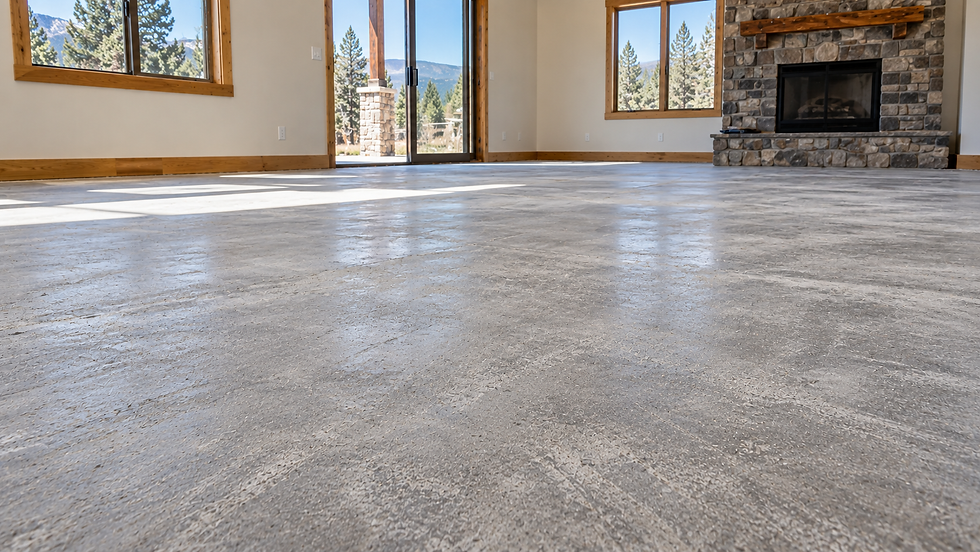
A completed removal project delivers a substrate cleared of the old compound down to sound material, whether that's clean OSB subfloor ready for new underlayment or a concrete slab prepared for its next finish, whether that's polishing, a fresh self-leveling application, or direct flooring installation. This clean starting point is what makes whatever comes next in the renovation actually achievable, rather than working around old compound that would compromise a new installation's bond or finish.
DustFree PNW removes self-leveling underlayment and floor patch compound across our Central Oregon service areas. You can review our work on our Google Business Profile or get a free quote for your project.
Final Thoughts
Self-leveling underlayment and floor patch compound cure into an exceptionally hard, tenaciously bonded surface, and removing this material calls for a genuinely different technique than removing standard flooring, matched to the pour's thickness, the underlying substrate, and the project's final finish plans. Choosing the right method, scraping, grinding, jack hammering, or a targeted cut-and-patch approach, protects the substrate beneath while getting the job done efficiently. Get a free quote from DustFree PNW.
FAQ
Why is self-leveling compound so hard to remove?
The material is engineered to bond aggressively and cure into an exceptionally hard, cement-based surface, often harder than the concrete slab it was applied over, making it more resistant to removal than most flooring materials.
What tool works best for removing self-leveling compound?
A sharpened floor scraper at a low angle works well for smaller sections, while a concrete grinder or jack hammer becomes more practical for larger areas or thicker pours.
Does grinding self-leveling compound create more dust than scraping?
Yes, considerably more, which makes source-capture dust control equipment particularly important when grinding is the chosen removal method.
Can self-leveling compound be removed from a wood subfloor safely?
Yes, but it requires more care than removal from concrete, since aggressive scraping risks tearing into and damaging the underlying OSB or plywood substrate.
What if I only need to remove self-leveling compound from a small area?
A cut-and-patch approach, removing just the problem section and patching it separately, avoids the cost and scope of full-room removal, though it may leave a visible patch line.
Why does self-leveling compound sometimes cure unevenly?
Working the compound too long after it begins setting, or pouring over an inadequately prepared substrate, can result in an uneven surface with peaks and valleys rather than the intended flat finish.
Does the original pour method affect how difficult removal is?
Yes. A pour that used a concrete vibrator during application tends to cure denser and more uniform, which can make it somewhat more resistant to scraping or grinding compared to a less consolidated pour.
Is trowel-applied patch compound easier to remove than poured self-leveling compound?
Sometimes marginally, since trowel-applied material is often slightly less dense, though the removal technique used generally matters more than which application method was originally used.
Should I test a small section before removing self-leveling compound across a whole room?
Yes. Testing an inconspicuous area first confirms which removal method actually works efficiently on that specific compound before committing to a full-room approach.
Does DustFree PNW remove self-leveling underlayment and floor patch compound in Central Oregon?
Yes. DustFree PNW removes self-leveling underlayment and floor patch compound across Central Oregon. Contact us for a free quote.


Comments