
Removing Lingering Adhesive Odor After Flooring Removal
TL;DR: A persistent smell after old flooring is removed almost always traces back to adhesive residue still present on the subfloor, since flooring adhesives and old mastics are formulated with chemicals that continue to off-gas even after the flooring above them is gone. Ventilation and odor absorbers can mask the smell temporarily, but the smell generally does not fully resolve until the actual adhesive residue is removed from the subfloor, which is why professional adhesive removal, not just flooring removal, matters for indoor air quality.

Key Takeaways
Flooring adhesives and sealants are a major source of post-construction odor, and these products often contain chemicals that continue to off-gas over time even once the flooring itself is removed.
Older tar-based mastic adhesives, common beneath vinyl and linoleum flooring installed decades ago, are a particularly persistent source of lingering odor that is sometimes mistaken for mildew or mold.
Ventilation, odor absorbers like baking soda, and air purifiers can reduce the perceived intensity of a lingering adhesive smell, but these methods manage the symptom rather than resolve the underlying source.
The smell generally does not fully resolve until the actual adhesive residue is physically removed from the subfloor, since covering it with new flooring or attempting to seal it in place does not eliminate the off-gassing occurring underneath.
Older flooring installations, particularly those from before 1980, should be tested for asbestos before any adhesive removal is attempted, since some older mastic adhesives may contain asbestos requiring specialized handling.
A lingering odor after old flooring has been removed is a common and understandably frustrating experience, since homeowners often expect the smell to disappear along with the visible flooring itself. In most cases, the actual source of the persistent odor is not the flooring that was removed, but the adhesive residue left behind on the subfloor, which continues releasing odor-causing compounds even after the flooring above it is long gone.
DustFree PNW's flooring removal service across Central Oregon includes complete adhesive cleanup, addressing this odor source directly rather than leaving it for the next phase to deal with. Here is why the smell lingers and what actually resolves it.
What Actually Causes the Lingering Smell

Adhesive Type | Common Era | Odor Characteristic |
Modern thinset mortar | Current standard for tile installation | Minimal lingering odor once fully cured and removed |
Modern flooring adhesives (VOC-containing) | Common in vinyl plank and laminate installation | Can off-gas for days to weeks after installation, less commonly an issue after removal |
Older tar-based mastic (cutback adhesive) | Common beneath vinyl and linoleum before the 1980s | Persistent, often musty or tar-like odor; can be mistaken for mildew |
Carpet adhesive residue | Any era, common beneath older carpet installations | Can develop a sour or stale odor if residue traps moisture |
Flooring adhesives and sealants are consistently identified as a major source of post-construction odor, and this is true both for newer installations and, in some cases, considerably older ones. Older tar-based mastic adhesives, commonly used beneath vinyl and linoleum flooring installed decades ago, are a particularly persistent source of this problem, and the resulting smell is frequently mistaken for mildew or mold by homeowners who assume a musty odor must indicate moisture damage rather than an aging adhesive.
Why Ventilation and Odor Absorbers Only Go So Far
Increasing airflow through a space, using fans or opening windows, and placing odor absorbers like baking soda or activated charcoal in the affected area can meaningfully reduce how strong a lingering adhesive smell feels day to day. These methods work by diluting the concentration of odor-causing compounds in the air or physically absorbing some of what is released, and they are genuinely useful as a short-term management strategy. What they do not do is eliminate the underlying source, since the adhesive residue itself remains in place and continues releasing whatever compounds are causing the smell, regardless of how much the room is ventilated around it.
Why the Smell Persists Even After the Floor Above It Changes
A common but ultimately ineffective response to a lingering adhesive odor is covering the subfloor with new flooring and hoping the smell resolves once the room looks and feels finished again. This generally does not work as intended. Adhesive residue trapped beneath new flooring continues to off-gas, and depending on how the new material and underlayment are installed, this can sometimes concentrate the odor in ways that become noticeable again over time rather than disappearing for good. The residue needs to actually be removed from the subfloor surface for the odor source itself to be addressed, not simply hidden from view.
What Complete Adhesive Removal Actually Involves
Removing adhesive residue down to bare, clean subfloor is a distinct step from removing the flooring material itself, and it typically requires mechanical grinding or an appropriate solvent-based or water-based remover matched to the specific adhesive type present. Solvent-based removers, while effective on many stubborn adhesives, carry their own temporary odor during the removal process itself, though this is generally a short-term smell during active work rather than the long-term, persistent odor associated with leaving old adhesive residue in place. A thorough removal leaves the subfloor genuinely clean, addressing the actual source rather than masking it.
Why Asbestos Testing Matters Before Adhesive Removal
For homes with flooring installed before approximately 1980, testing for asbestos before attempting any adhesive removal is an important precaution. Some older tar-based mastic adhesives from this era may contain asbestos, and disturbing this material without proper testing and, if necessary, licensed abatement creates a genuine health exposure separate from the odor question entirely. This testing should happen before any grinding or solvent-based removal work begins on suspect older adhesive.
What a Properly Cleaned Subfloor Delivers
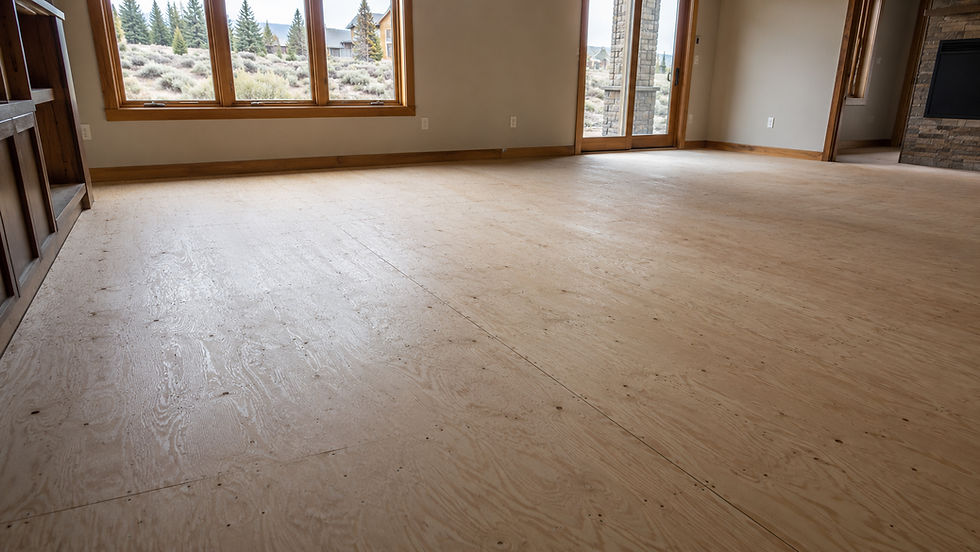
A properly completed flooring removal project includes full adhesive residue removal down to bare, clean subfloor, addressing the actual source of any lingering odor rather than leaving it for the next phase to manage. This standard applies whether the original flooring was modern vinyl plank, older linoleum, or carpet, and it is the step that determines whether an odor concern genuinely resolves or simply resurfaces after new flooring is installed.
DustFree PNW includes complete adhesive removal as a standard part of every flooring project across our Central Oregon service areas. You can review our work on our Google Business Profile or get a free quote for your project.
Final Thoughts
A lingering odor after flooring removal almost always traces back to adhesive residue still present on the subfloor, not the flooring material itself. Ventilation and odor absorbers can help manage the smell temporarily, but genuinely resolving it requires physically removing the adhesive residue, ideally with asbestos testing completed first for any pre-1980s installation. Get a free quote from DustFree PNW.
FAQ
Why Does Lingering Adhesive Odor After Flooring Removal Come From the Subfloor?
The smell almost always comes from adhesive residue left on the subfloor, which continues to off-gas even after the flooring material above it has been removed.
Can ventilation get rid of a lingering adhesive smell?
Ventilation and odor absorbers can reduce how strong the smell feels, but they do not eliminate the underlying source, since the adhesive residue itself remains in place.
Will covering the subfloor with new flooring fix the odor?
Generally not. Adhesive residue trapped beneath new flooring continues to off-gas and can sometimes concentrate rather than resolve, since the smell was never actually removed.
Why does old mastic adhesive smell like mildew?
Older tar-based mastic adhesives, common beneath vinyl and linoleum before the 1980s, are a persistent odor source that is frequently mistaken for mildew or mold by homeowners.
Do I need to test for asbestos before removing old adhesive?
Yes, if the flooring was installed before approximately 1980. Some older mastic adhesives may contain asbestos and require testing and, if necessary, licensed abatement before removal.
Does DustFree PNW remove adhesive residue as part of flooring removal in Central Oregon?
Yes. DustFree PNW includes complete adhesive removal down to bare subfloor as a standard part of every flooring project across Central Oregon. Contact us for a free quote.


Comments