
Is Tile Dust Dangerous? What Oregon Homeowners Need to Know About Silica Exposure
Is Tile Dust Dangerous? What Oregon Homeowners Need to Know About Silica Exposure
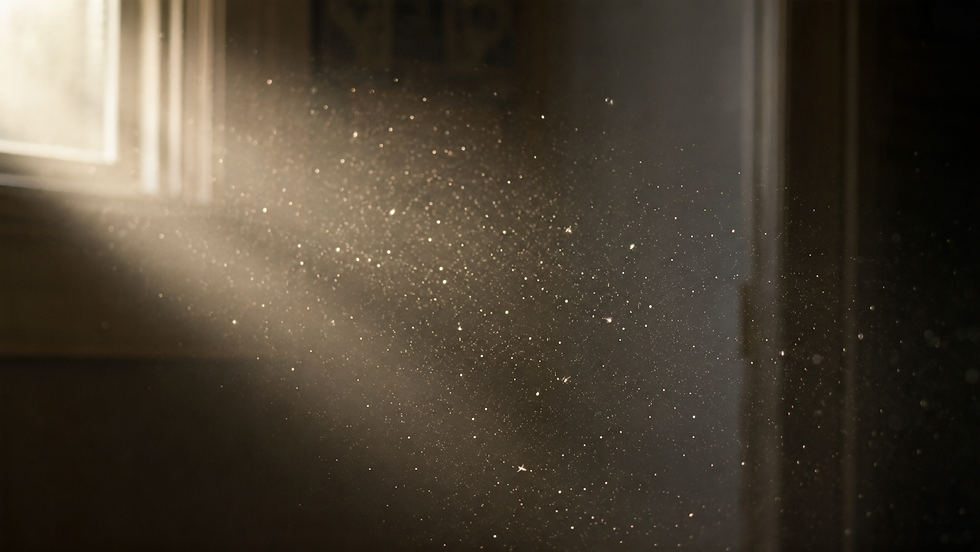
You can't see it. You can't smell it. By the time you notice it's a problem, the exposure has already happened.
Tile dust released during floor removal is one of the most underestimated indoor health hazards in residential remodeling. It happens in thousands of Central Oregon homes every year — usually without a second thought from the homeowner or the crew doing the work. This guide breaks down what silica dust actually is, what it does to the human body, and how to make sure your next remodeling project doesn't come with a hidden health cost.
In This Guide
1. What Is Silica Dust and Where Does It Come From?
2. Why Tile Removal Creates the Highest Risk
3. What Silica Dust Does to Your Body
4. How Your HVAC Makes It Worse
5. How DustFree PNW Eliminates the Risk
6. FAQ
What Is Silica Dust and Where Does It Come From?
Crystalline silica is a mineral found in sand, stone, and most construction materials — including ceramic tile, porcelain, natural stone, and grout. When these materials are cut, broken, or chipped, the silica fractures into microscopic particles called respirable crystalline silica. These particles are small enough to pass through your nose and throat and reach the deepest parts of your lungs. Once there, your body cannot remove them.
Tile removal is one of the single highest-exposure activities in residential construction. Every chisel impact on a tile floor releases a concentrated burst of fine silica particulate. A standard 300 square foot tile removal job using traditional methods can produce up to 300 pounds of mixed debris — and the finest, most dangerous particles are the ones you never see.
Why Tile Removal Creates the Highest Risk
Three things combine to make residential tile demolition particularly hazardous.
First, the dust is extremely fine — tile and porcelain fracture into particles small enough to stay airborne for hours. Second, the work happens in enclosed spaces with limited air movement, allowing silica concentrations to build rapidly. Third, there's no obvious warning sign. Unlike mold or asbestos — both of which have regulatory awareness — silica dust is invisible and odorless. Most homeowners don't know the exposure happened until long after the job is done.
What Silica Dust Does to Your Body

According to OSHA's respirable crystalline silica standard, exposure can cause silicosis (irreversible lung scarring with no cure), COPD, kidney disease, and lung cancer.
The International Agency for Research on Cancer classifies inhaled crystalline silica as a known human carcinogen. These are not obscure occupational diseases — they are documented outcomes from residential remodeling exposure, including from single high-concentration events like a home tile removal job done without dust control.
How Your HVAC System Makes It Worse
When tile is removed in a room with active HVAC ventilation, silica particles enter the return air intake and get distributed throughout the entire home.
They settle on surfaces in every room. Post-demo, even a thorough visible clean does not remove silica that has settled inside ducts, inside cabinetry gaps, or on soft surfaces in adjacent rooms. This is why HVAC cleaning is often recommended after traditional tile demo — and why that cost typically runs $400–$1,200.
How DustFree PNW Eliminates the Risk
DustFree PNW uses DustRam certified equipment that captures over 99% of silica dust at the source — before it becomes airborne.
The removal tool and filtration system work as one: as tile is removed, particles are pulled directly into sealed HEPA filtration. No dust cloud, no HVAC contamination, no post-demo air quality cleanup required. For households with children, pets, or anyone with respiratory conditions, this is the only responsible way to have tile removal done in your home.
Frequently Asked Questions
Is tile dust dangerous from just one exposure?
There is no established safe level of silica dust inhalation. A single high-concentration exposure during tile removal can contribute to cumulative lung damage. The risk increases significantly with repeated exposure, which is why OSHA enforces strict limits for workers.
Is porcelain tile dust more dangerous than ceramic?
Porcelain is denser and produces finer silica particles when broken, making it slightly more hazardous than standard ceramic. Both materials present significant silica exposure risk during removal without dust control.
How long does silica dust stay airborne after tile removal?
Fine silica particles can remain airborne for 24 to 72 hours depending on room size, ventilation, and particle distribution. The finest particles — the most dangerous ones — stay airborne longest.
Can dust travel to other rooms?
Yes. HVAC systems actively distribute silica particles to other rooms during tile removal. Fine particles also migrate through gaps under doors and unsealed openings.
Does DustFree PNW protect against silica exposure?
Yes. DustFree PNW uses DustRam certified equipment rated to capture over 99% of silica dust at the point of removal — eliminating the primary exposure risk for everyone in your home.


Comments